
A Tradition of Orthopaedic Craftsmanship
At Dr Insole, our bespoke insoles are handcrafted using techniques rooted in traditional orthopaedic shoemaking.
This approach is the result of generations of practical experience, passed down through family-run orthopaedic workshops and specialist training, long before modern scanning or mass-production systems became common.
The Andrews Family: Early Foundations
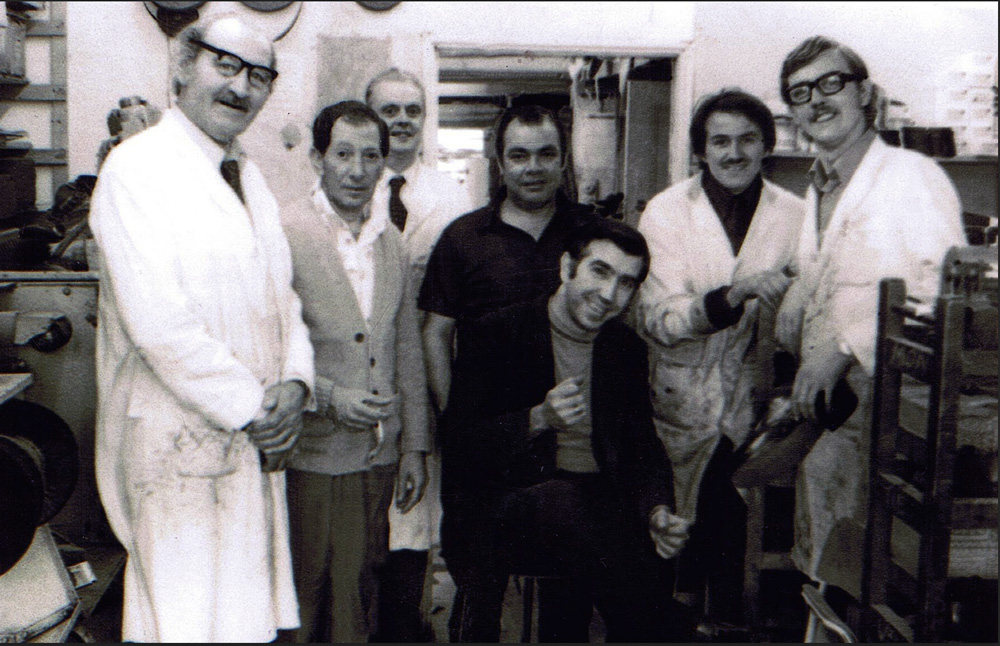
The origins of this tradition trace back to Len Andrews, who worked from Copenhagen Street, establishing a practice based on traditional orthopaedic footwear and insole making.
Len Andrews passed his knowledge on to the next generation, laying the foundations for a family deeply involved in orthopaedic craftsmanship.
The Next Generation
That tradition continued through his sons:
-
Tony Andrews operated his own orthopaedic footwear business, A.C. Andrews, on Blackstock Road from 1970 to 1982, before moving the practice to Muswell Hill in 1982. During this period, Tony Andrews also undertook work under contract for the NHS, producing specialist orthopaedic footwear as part of his practice at the time.
-
Ken Andrews, who ran his own orthopaedic shop in Blackpool for many years
In 1982, Tony Andrews moved his practice to Muswell Hill, where the family tradition of bespoke orthopaedic work continued and developed further.
Introducing the Craft to Gary Gallagher
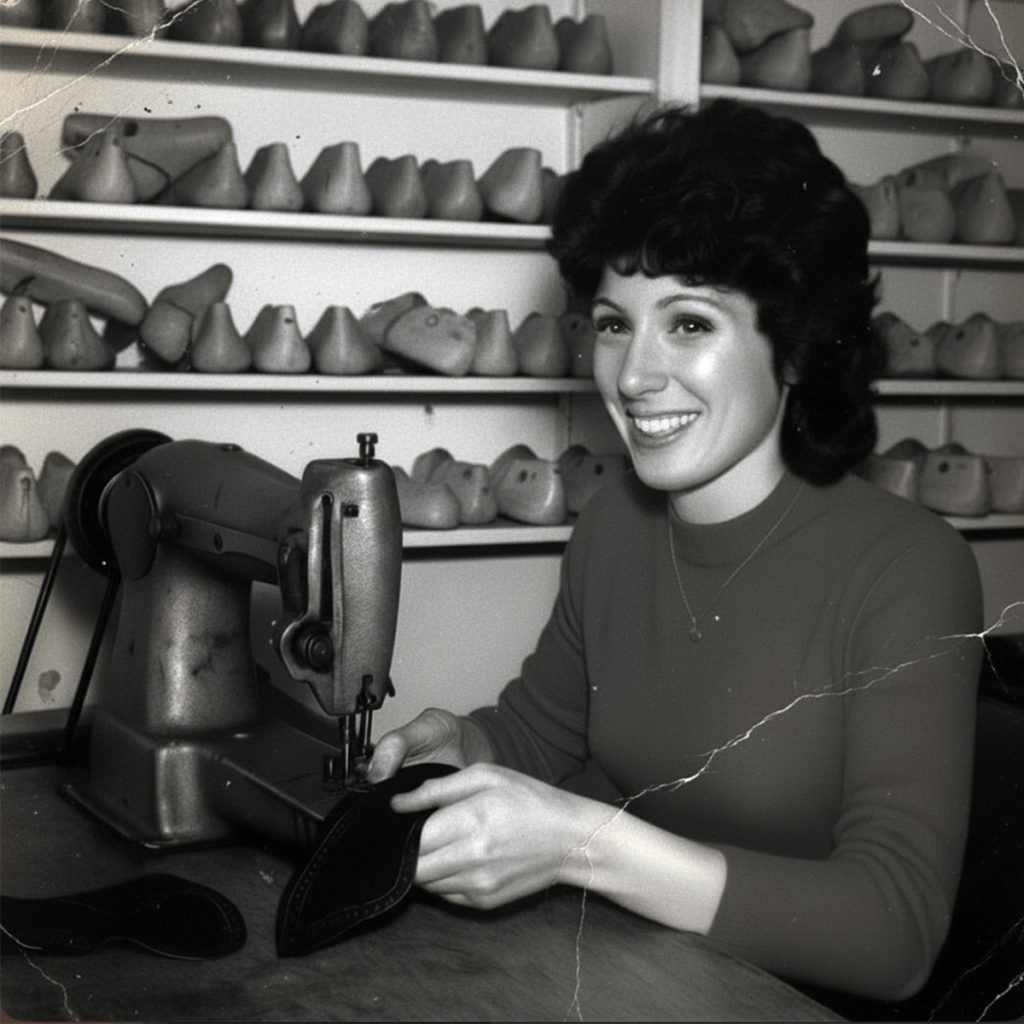
Gary Gallagher was first introduced to insole making through Tony Andrews and Margaret Fowler, learning directly from their day-to-day workshop experience and practical methods.
This early training focused on physical casting, careful adjustment, and understanding how the foot interacts with footwear — core skills that form the basis of traditional orthopaedic shoemaking.
Advanced Training in Traditional Methods
Gary later trained personally under Philip J. Taylor, widely regarded as one of the last masters to work entirely by hand using established orthopaedic shoemaking techniques.
Under Philip J. Taylor’s guidance, Gary refined the skills that now define the Dr Insole approach:
- physical 3D casting
- manual adaptation of the cast
- careful shaping and finishing by hand
- judgement developed through experience rather than automation
- taking time to listen carefully to the customer and understand their individual requirements
- recognising the importance of the working relationship between maker and customer
- gathering information through discussion and observation, not just measurement
Continuing the Family Line
Gary Gallagher and Wendy Gallagher represent the continuation of a long-established tradition in orthopaedic footwear and insole making.
Wendy Gallagher, daughter of Tony Andrews and Margaret Fowler, and granddaughter of Len Andrews, brings a direct family link to generations of orthopaedic craftsmanship. Working with her father from a young age, Wendy was involved on the administrative and organisational side of the business, gaining practical insight into how a specialist orthopaedic workshop operates.
Alongside this, she developed strong computer and organisational skills, helping bridge traditional workshop practices with more modern systems.
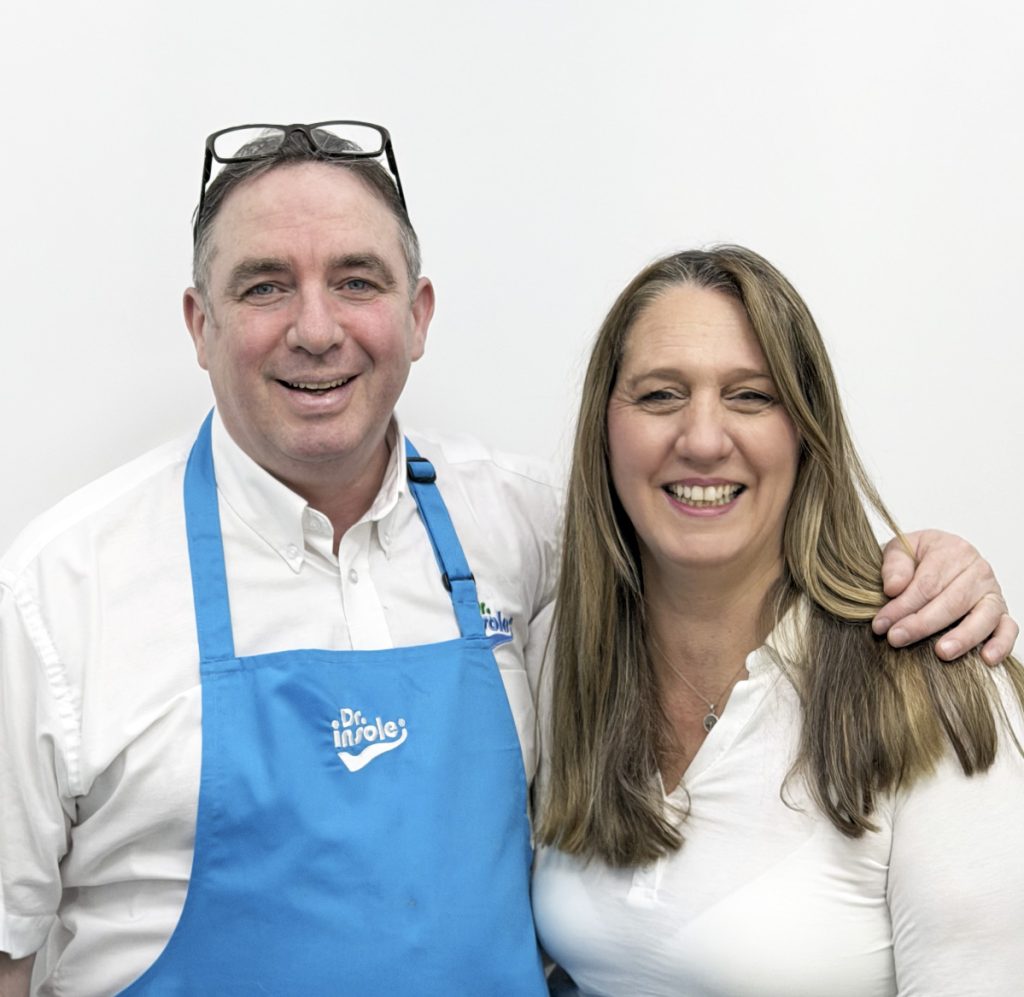
Since 2013, Wendy has supported Gary Gallagher, her husband, in the background development of the business, contributing to its structure, organisation, and day-to-day operation. It was during this period that the name Dr Insole was created, reflecting a specialist focus on bespoke insole making built on traditional foundations.
Her role helps ensure continuity between generations, supporting the craft with the organisation needed to sustain it today.
How This History Shapes Dr Insole Today
Dr Insole is the continuation of this lineage.
While materials and tools have evolved, the core principles remain unchanged:
-
traditional casting methods
-
hands-on adjustment at every stage
-
all work carried out on-site
-
each insole individually adapted to the person it is made for
Every insole reflects the same careful approach that has been passed down through generations of orthopaedic makers.
A Living Craft
Rather than preserving these methods as a historical exercise, Dr Insole applies them practically and purposefully — combining traditional skills with modern materials to suit today’s footwear and everyday use.
This balance of heritage and practicality defines how Dr Insole works today.
The aim has always been simple: to continue making well-designed, carefully fitted insoles using methods that value experience, accuracy, attention to detail, and the importance of a direct working relationship between the maker and the customer.